%2Ffit-in%2F250x250%2Fguide_websites%2F21535%2Fimages%2F1738066678328image-2025-01-28t193243.702.png&w=1920&q=100)
/users/e148c5d8-a4a7-4a5f-ac59-c29b540897aa/ratecard/524583540_719391040900322_3935877345225809788_n-mfwdg0px.jpg)
%2F300x300%2Fusers%2Fe148c5d8-a4a7-4a5f-ac59-c29b540897aa%2Fratecard%2F524583540_719391040900322_3935877345225809788_n-mfwdg0px.jpg&w=256&q=75)
%2F300x300%2Fusers%2Fe148c5d8-a4a7-4a5f-ac59-c29b540897aa%2Fimages%2Fanglers-cast-trophy-lake-trout-2710.jpg&w=256&q=75)
%2F300x300%2Fusers%2Fe148c5d8-a4a7-4a5f-ac59-c29b540897aa%2Fimages%2Fanglers-fishing-wisconsin-2492.jpg&w=256&q=75)
%2F300x300%2Fusers%2Fe148c5d8-a4a7-4a5f-ac59-c29b540897aa%2Fimages%2Fmidwestern-fishing-adventure-2557.jpg&w=256&q=75)
%2F300x300%2Fusers%2Fe148c5d8-a4a7-4a5f-ac59-c29b540897aa%2Fimages%2F7-fishing-superior-lake-2780.jpg&w=256&q=75)
%2F300x300%2Fusers%2Fe148c5d8-a4a7-4a5f-ac59-c29b540897aa%2Fimages%2Fanglers-land-lake-trout-superior-2516.jpg&w=256&q=75)
%2F300x300%2Fusers%2Fe148c5d8-a4a7-4a5f-ac59-c29b540897aa%2Fimages%2Ffishing-adventure-wi-2486.jpg&w=256&q=75)
%2F300x300%2Fusers%2Fe148c5d8-a4a7-4a5f-ac59-c29b540897aa%2Fimages%2Ffishing-crew-wisconsin-2681.jpg&w=256&q=75)
%2F300x300%2Fusers%2Fe148c5d8-a4a7-4a5f-ac59-c29b540897aa%2Fimages%2Flake-trout-fishing-wi-2722.jpg&w=256&q=75)
%2F300x300%2Fusers%2Fe148c5d8-a4a7-4a5f-ac59-c29b540897aa%2Fimages%2Fsuperior-fishing-adventure-2473.jpg&w=256&q=75)
%2F300x300%2Fusers%2Fe148c5d8-a4a7-4a5f-ac59-c29b540897aa%2Fimages%2Fbest-great-fishing-wisconsin-2455.jpg&w=256&q=75)
Beginner Lake Superior Fishing - North Pier
 Lake Superior
What you will be catching:
 Brown Trout
 Chinook Salmon
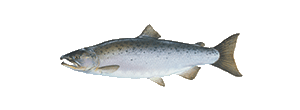 Coho Salmon
 Lake Trout
 Walleye
- This 5-hour morning fishing trip on Lake Superior is built for beginners who want to learn the ropes without any pressure. You'll meet at Barker's Island at 5:45 AM and head out with an experienced captain who knows exactly where to find Lake Trout and Salmon. Everything's provided
- rods, reels, tackle, and plenty of guidance
- so you can focus on learning proper techniques and actually catching fish. The crew takes you to proven spots where beginners have real success, and they'll teach you everything from casting to landing your catch. Perfect for small groups up to 4 people who want a genuine Lake Superior fishing experience with professional instruction.
Trip Pricing and Availabilities:
Lake Superior Morning Fishing for Beginners
Picture this: you're out on Lake Superior at sunrise, coffee steam mixing with the cool morning air, and your line just went tight with your first fish. That's exactly what you'll get with North Pier Charters' beginner-friendly morning trip. We're talking about a solid 5-hour adventure that kicks off at 5:45 AM from Barker's Island – yeah, it's early, but trust me, those dawn hours are pure gold for fishing. This isn't some cattle-boat operation either; we keep it intimate with just 4 guests max, so you'll actually get the attention you need to learn the ropes properly.
What to Expect on the Water
Lake Superior is a different beast than your typical fishing hole – we're dealing with the largest freshwater lake in the world here, and the fish know it. Your captain will motor you out to proven productive spots where the big water holds some serious fish. The beauty of this trip is that everything's dialed in for beginners. No need to stress about bringing gear – we've got quality rods, reels, and all the tackle sorted. Your job is simple: show up ready to learn, bring some snacks and drinks to keep your energy up, and soak in the experience. The crew handles the technical stuff while teaching you the basics, so you're not just along for the ride. You're actually picking up skills you can use for years to come.
Our Trolling Game Plan
We run a trolling operation out here, which is perfect for beginners because it lets you cover water while learning to read your rod and feel what's happening down below. The boat moves at a steady pace while multiple lines work different depths and distances behind us. You'll get hands-on time with downriggers and planer boards – sounds fancy, but it's really just smart ways to get your bait where the fish are hanging out. Lake Superior's structure and thermal layers change throughout the season, so your captain reads the water temperature, marks fish on the sonar, and adjusts the spread accordingly. The best part? While one person's fighting a fish, others can watch and learn, so everyone gets better together.
Species You'll Want to Hook
Walleye are the bread and butter of these waters, especially in the morning hours when they're actively feeding. These golden beauties typically run 2-4 pounds, though don't be surprised if you hook into a 6-pounder that'll test your drag. They fight with quick head shakes and short runs – not the flashiest battle, but man, they're fantastic on the dinner table. Spring through early summer is prime time, when they're moving shallow and aggressive.
Coho Salmon bring the acrobatics to your morning. These silver rockets average 3-8 pounds and will jump clear out of the water multiple times during the fight. They're pure adrenaline – one second your rod tip is bouncing gently, the next you're holding on tight as a Coho goes airborne 50 yards behind the boat. Peak season runs from late spring through early fall, and they're absolute dynamite on light tackle.
Chinook Salmon are the heavyweights of Lake Superior, with fish commonly hitting 10-20 pounds and bigger ones pushing 30+. When a King grabs your line, you'll know it immediately – they make long, powerful runs that'll test your patience and your arms. These fish are built for power, not jumping, so it's a tug-of-war that can last 15-20 minutes. Late summer and early fall see the biggest fish as they bulk up for spawning.
Brown Trout are the wildcards out here – they can show up anywhere from 2 pounds to over 15, and their behavior changes with their size. Smaller Browns fight like feisty rainbows with lots of energy and quick direction changes. The big ones, though, they're bulldogs that use their weight and the current to their advantage. They're most active in cooler water, making early morning and late fall prime times to target them.
Lake Trout are the natives here, perfectly adapted to Superior's deep, cold water. Most run 3-8 pounds, but the lake holds some true giants over 20 pounds in the deeper water. Lakers don't fight flashy – instead, they use their weight and the depth to create steady, grinding pressure that'll work your forearms. They're curious fish that often follow lures for long distances before committing, making them a fun challenge to figure out.
Time to Book Your Spot
Look, Lake Superior fishing is something every angler should experience at least once, and this beginner-focused trip removes all the barriers that usually keep people from trying. You get quality gear, expert instruction, and 5 solid hours on water that holds world-class fishing. The 4-person limit means you're not fighting for attention or rod time – everyone gets their shots at fish. Just remember that deposits are non-refundable, so make sure your dates work before you commit. But honestly, once you've felt that first Lake Superior fish bend your rod and seen the sun come up over endless blue water, you'll be planning your next trip before this one's even over.
Learn more about the species
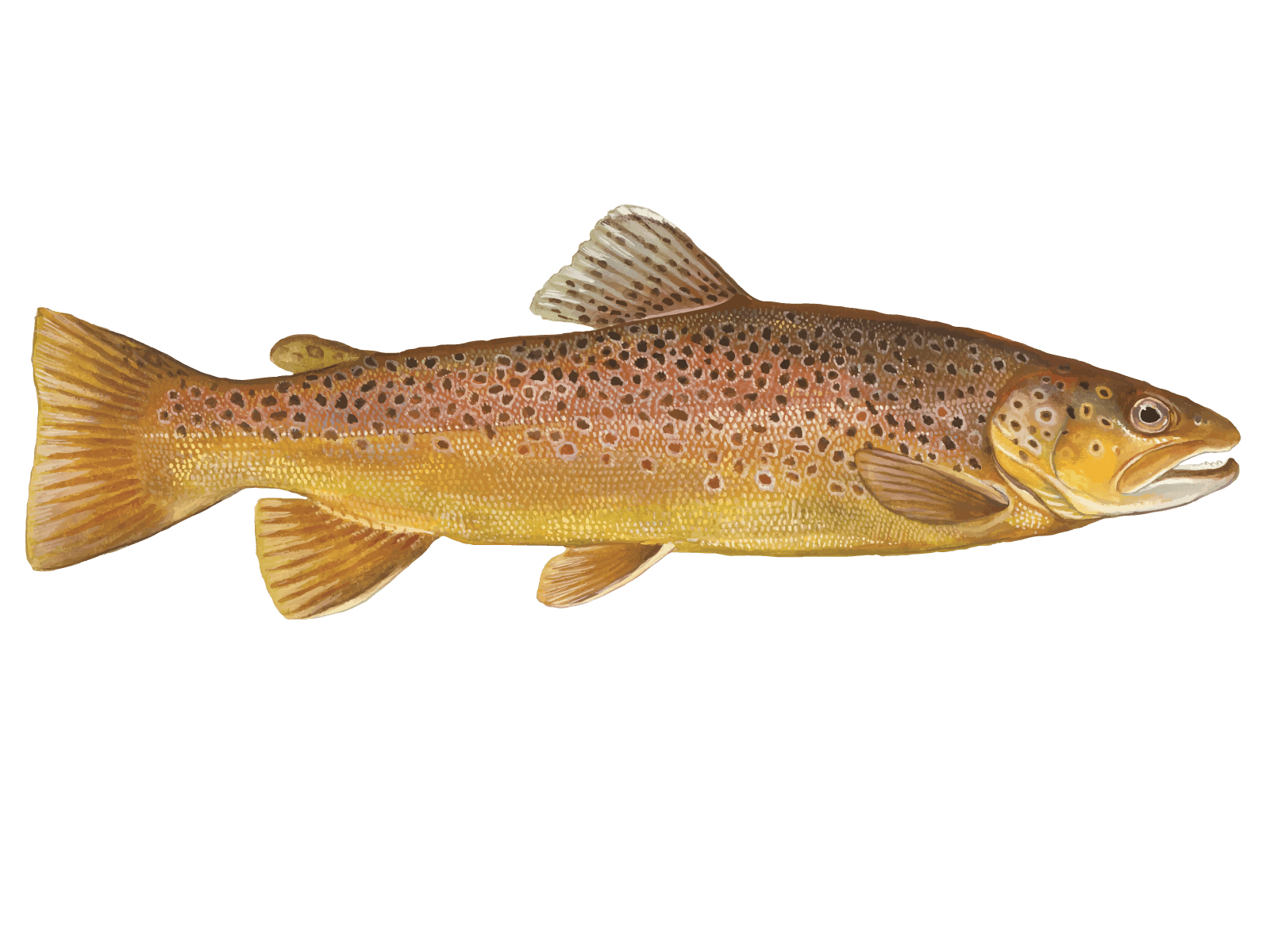
Brown Trout
Brown trout are the wary veterans of Lake Superior - golden-brown with black spots and a reputation for being tough to fool. They typically run 15-25 inches and 2-6 pounds, though trophy fish over 10 pounds swim these waters. These fish love structure like rocky reefs, drop-offs, and areas where tributaries enter the lake. They're most catchable during spring and fall when water temps hit that 55-65 degree range they prefer. What makes browns special is their wariness - they're smart fish that provide a real challenge, plus they're excellent eating with firm, flaky meat. Fall is particularly good when they're feeding aggressively before winter. They often hold deeper during bright days, moving shallow at dawn and dusk. Pro tip: browns are spookier than other trout, so keep noise down and use lighter tackle when possible.
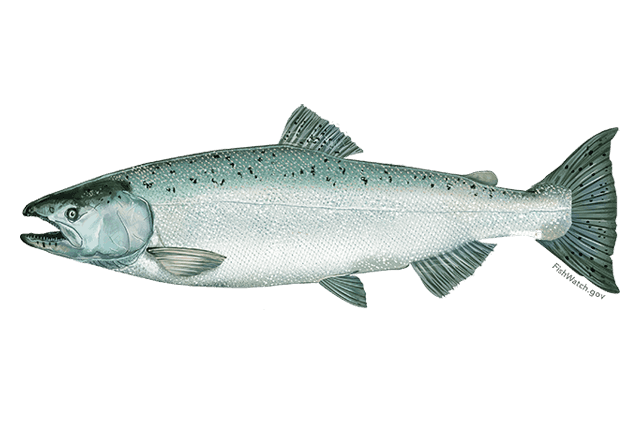
Chinook Salmon
Chinook salmon are the kings of Lake Superior - these bruisers can hit 20-30 pounds and provide the fight of a lifetime. They're silver with black-spotted backs and prefer staying deep, usually 40-100 feet down in the coldest water they can find. Early morning and evening are your best shots since they're light-sensitive and feed more actively in low light. Spring through early summer is prime time when they're aggressive and feeding hard. What makes chinook special is their sheer power - they'll test your drag and make long, steady runs that can last several minutes. The meat is top-notch with that deep red color and rich taste. Being the largest salmon in the lake, landing one is always memorable. Local tip: troll slow and deep with heavy tackle - chinook don't chase fast baits like other salmon.
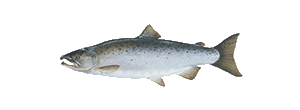
Coho Salmon
Coho salmon, or "silvers," are fantastic fighters that'll jump clear out of the water when hooked. These athletic fish average 12-20 inches and 3-8 pounds, with their bright silver sides and dark backs. In Lake Superior, they roam open water chasing baitfish, often found 20-60 feet down following temperature breaks. Spring and fall are prime times when they're most active and feeding heavily. What guests love about coho is their acrobatic fight - they'll put on a show with multiple jumps and strong runs. The meat is excellent too, with that rich orange-pink color and great flavor. They're less spooky than some salmon, making them perfect for beginners. Here's a local trick: when trolling, watch for birds working the surface - that usually means baitfish below and coho nearby.
Lake Trout
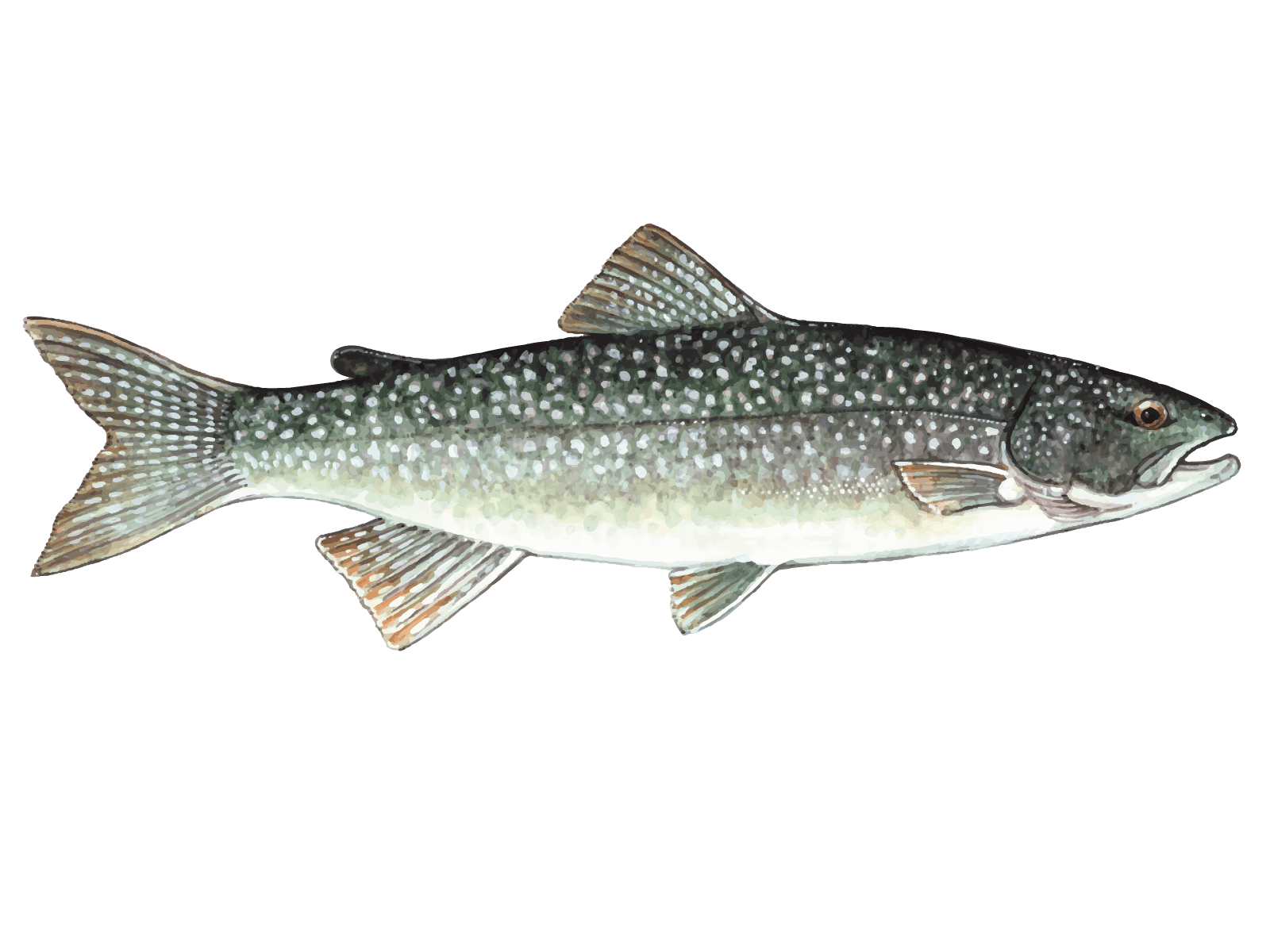
Lake trout are the deep-water natives of Superior - grey-green giants that can live 40+ years and reach massive sizes. Most run 20-30 inches and 5-15 pounds, but 20-pounders aren't rare in these cold, deep waters. They spend most of their time in 60-150 feet of water, suspended in the middle or hugging bottom structure. Spring right after ice-out and fall are best when they move shallower and feed actively. What guests love is the steady, powerful fight and their impressive size - plus they're great eating with white, flaky meat. Being the only native trout in Superior makes them special to catch. Cold water keeps them active year-round, unlike other species. Here's the key: fish slow and deep with heavy jigs or spoons - lakers don't chase fast baits, so let your lure flutter down and work it right on bottom.
Walleye
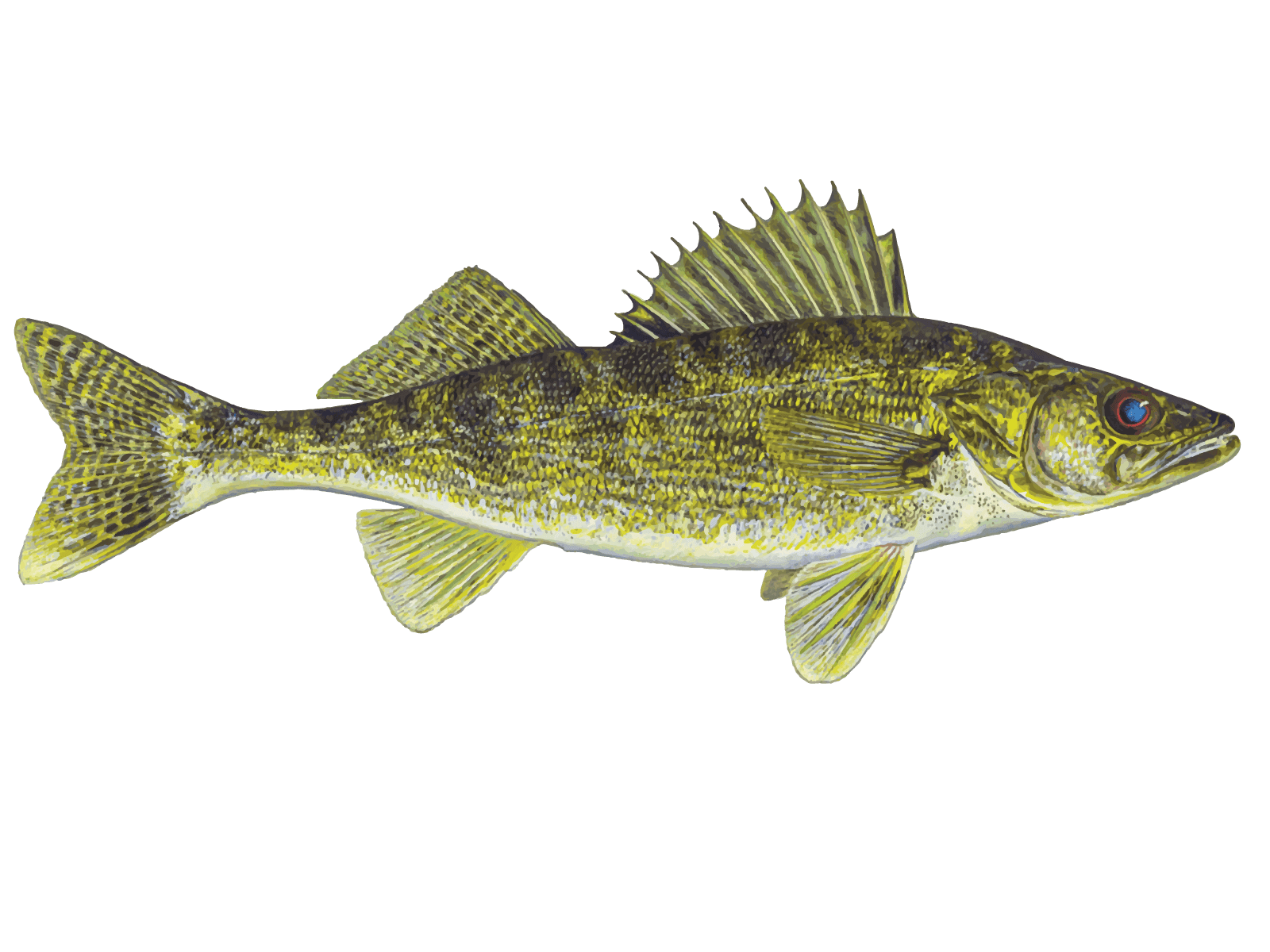
Walleye are golden-colored fish with distinctive glassy eyes that help them see in low light. They typically run 12-20 inches and 1-3 pounds, though bigger ones are out there. These fish love structure - rock piles, drop-offs, and weed edges in 10-30 feet of water. They're most active during dawn, dusk, and overcast days when they move shallow to feed. What makes walleye special is their incredible table fare - firm, flaky white meat that's hard to beat. They can be tricky to locate, but once you find them, they usually school up. Best fishing is spring through fall when water temps hit that 65-70 degree sweet spot. Pro tip: when jigging for walleye, keep your bait right on bottom and work it slow - they're not aggressive biters, so subtle is key.
About the 34' Silverton
%2F%2Fusers%2Fe148c5d8-a4a7-4a5f-ac59-c29b540897aa%2Fvehicle_picture%2Fimage-2025-01-28t194419.555.png&w=1920&q=75)
Vehicle Guest Capacity: 6
Manufacturer Name: Crusader
Maximum Cruising Speed: 18
Number of Engines: 2
Horsepower per Engine: 350